

Every time I start a new blog post I feel the need to open with an apology for my posts being few and far between. This is partly due to the fact that I’ve picked up a bunch of complicated watches which require a lot of work causing the jobs to drag on for months on end, and it’s partially because I don’t get enough time to engage in my hobby anymore.
Well, the first problem may resolve itself as I’ve started picking up cheaper and less complex pieces to work on. The second issue will require more commitment- and maybe an extra hour or two each day. Do you think if I wish hard enough I can get twenty-six hour days? One can only hope.
Today I have this Zodiac SeaWolf (reference number 702-946) from probably the early sixties. This date of manufacture is a guess- I don’t know much about Zodiac frankly, although there is a dedicated community of Zodiac fans who have put together some useful resources on the internet. Much of what I know comes from the Zodiac SeaWolf history compiled by the Spring Bar here.

I picked this piece up in July of 2020 because I was thinking of moving my collecting from chronographs to some other tool watches and this looked like it would be a fun project. I’ve since started to collect Seiko watches primarily from the late sixties but have yet to reveal many of those on the blog.
When I grabbed this watch it was missing the rotating bezel but it did have the original steel bracelet and I figured the gain of one offset the loss of the other. The dial looked great under the well worn crystal and so I thought to myself, “single owner, great dial, go for it” and that was that.

But right off the bat this Zodiac revealed itself to be a bit different as just about every dive watch you can find will have a screw down caseback; here we have the exception.

Prying the steel caseback from this watch was a tricky endeavor- one that I’m not looking forward to repeating. It took copious amounts of elbow grease to lift it and once removed, I could see that over the course of several decades the caseback gasket had decomposed into a sticky tar.

Not only would this goo would need to be removed from the case and caseback but I also discovered it in the watch movement itself; more elbow grease would be needed just to get the movement clean again.


The movement is the automatic Zodiac 70 which is quite nicely decorated. It has many jewels, including top and bottom jewels for the mainspring barrel.
The dial is the real champion of this piece though. Finished in high gloss black enamel with raised markers; the 12, 3, 6, and 9 markers are positively filled with luminous compound onto which the Arabic numerals are printed. Imbued with tritium, these luminous markers would have glowed a brilliant green for hours in the deep dark.
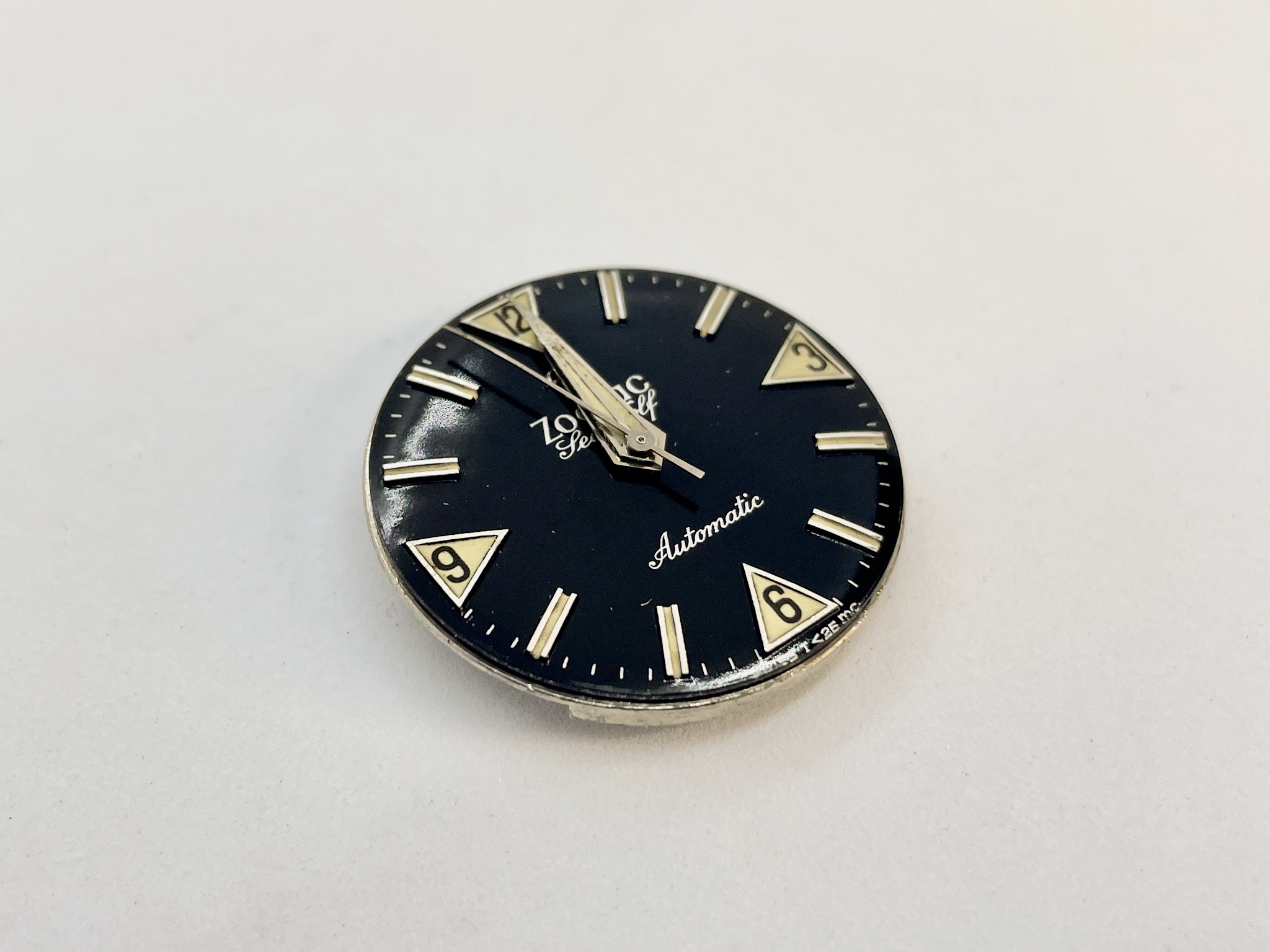
Underneath the dial it’s very tidy as there is no calendar mechanism on this movement. I don’t think anyone is worrying what the date is when you’re counting minutes of oxygen but calendars are a staple of all present day dive watches.
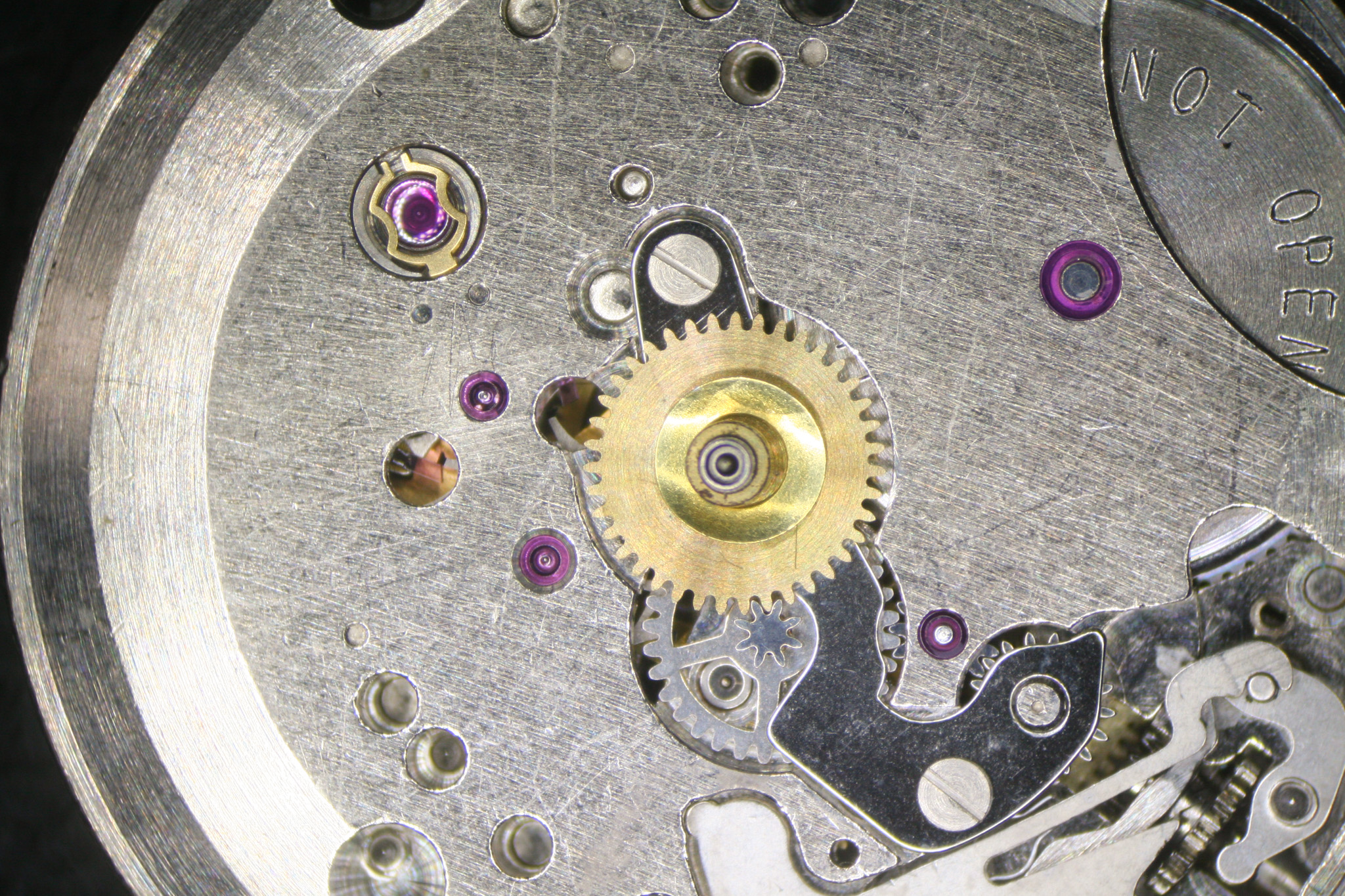
There is a large bridge for the intermediate hour wheel which also covers the intermediate setting wheel and the cannon pinion.
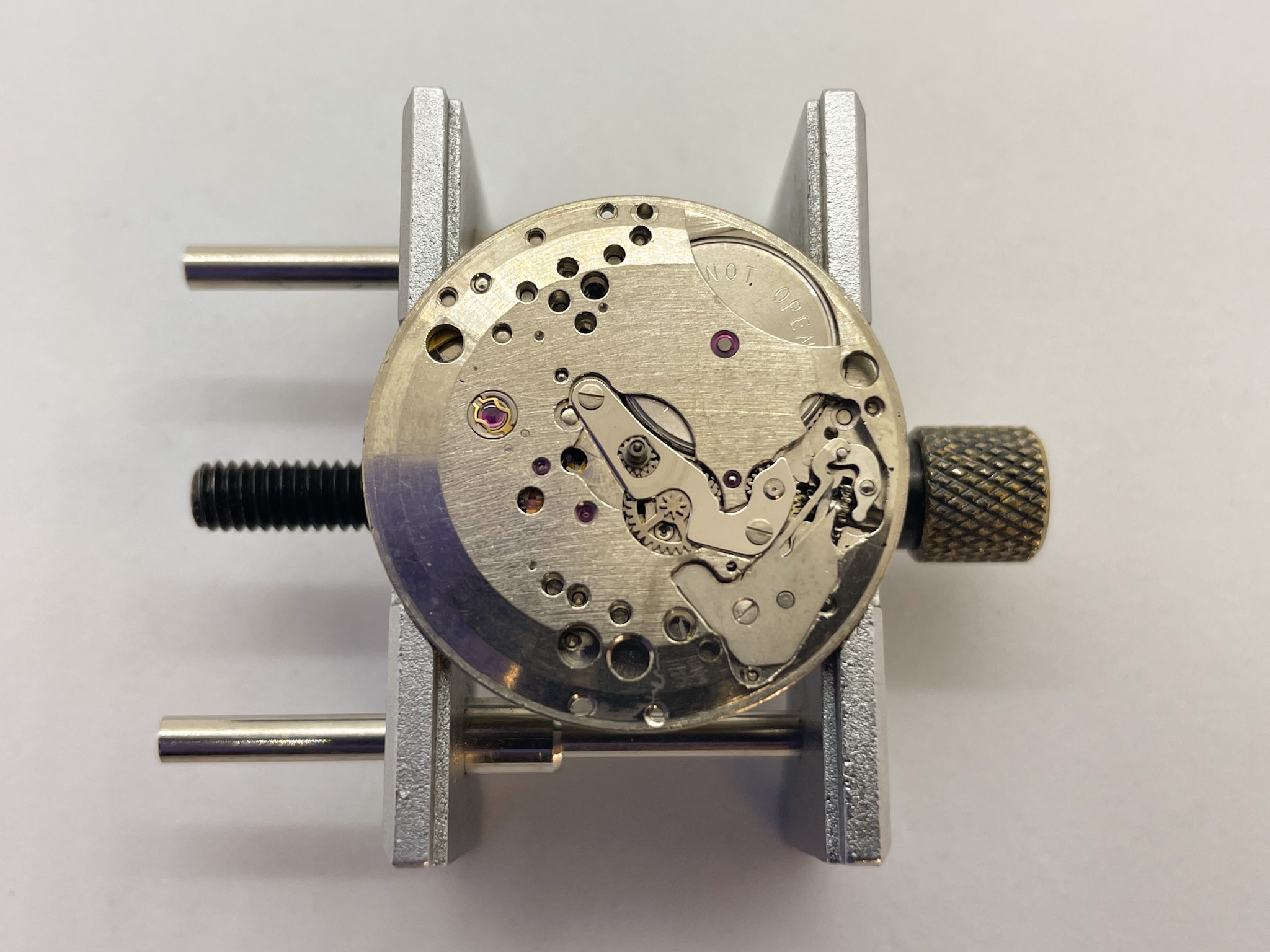

The automatic winding mechanism is the pretty standard Swiss design with dual reverser wheels to support winding in both directions. With the autowinding mechanism removed we can see the fourth wheel has been located in the center of the movement to provide for a central sweep second hand.

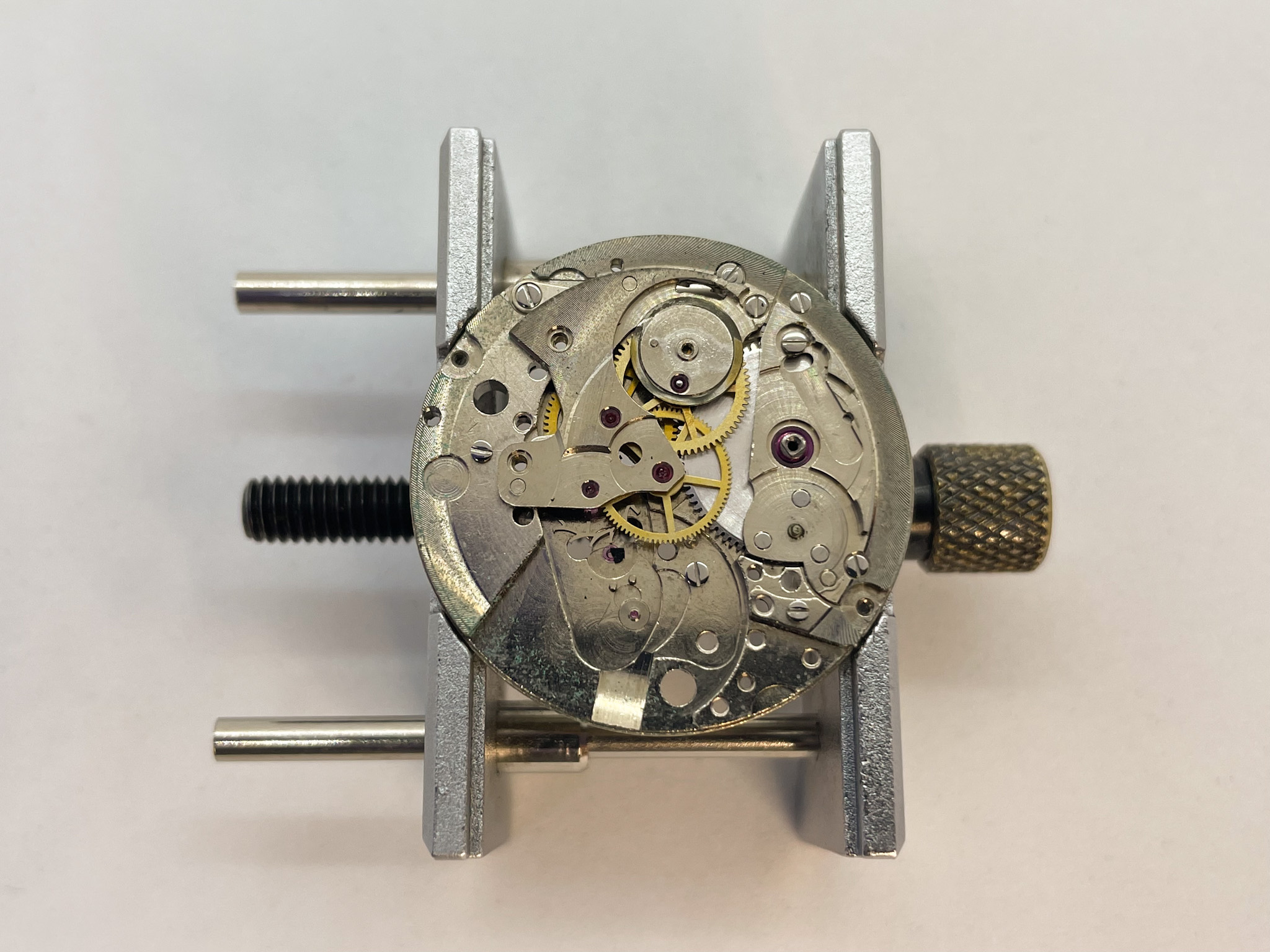
A hack mechanism is also found in this movement. To hack is to stop the movement from running when the crown is pulled out to the setting position. This allows the wearer to set the watch to the second. It’s a useful feature in an accurate watch and probably even more useful when diving.
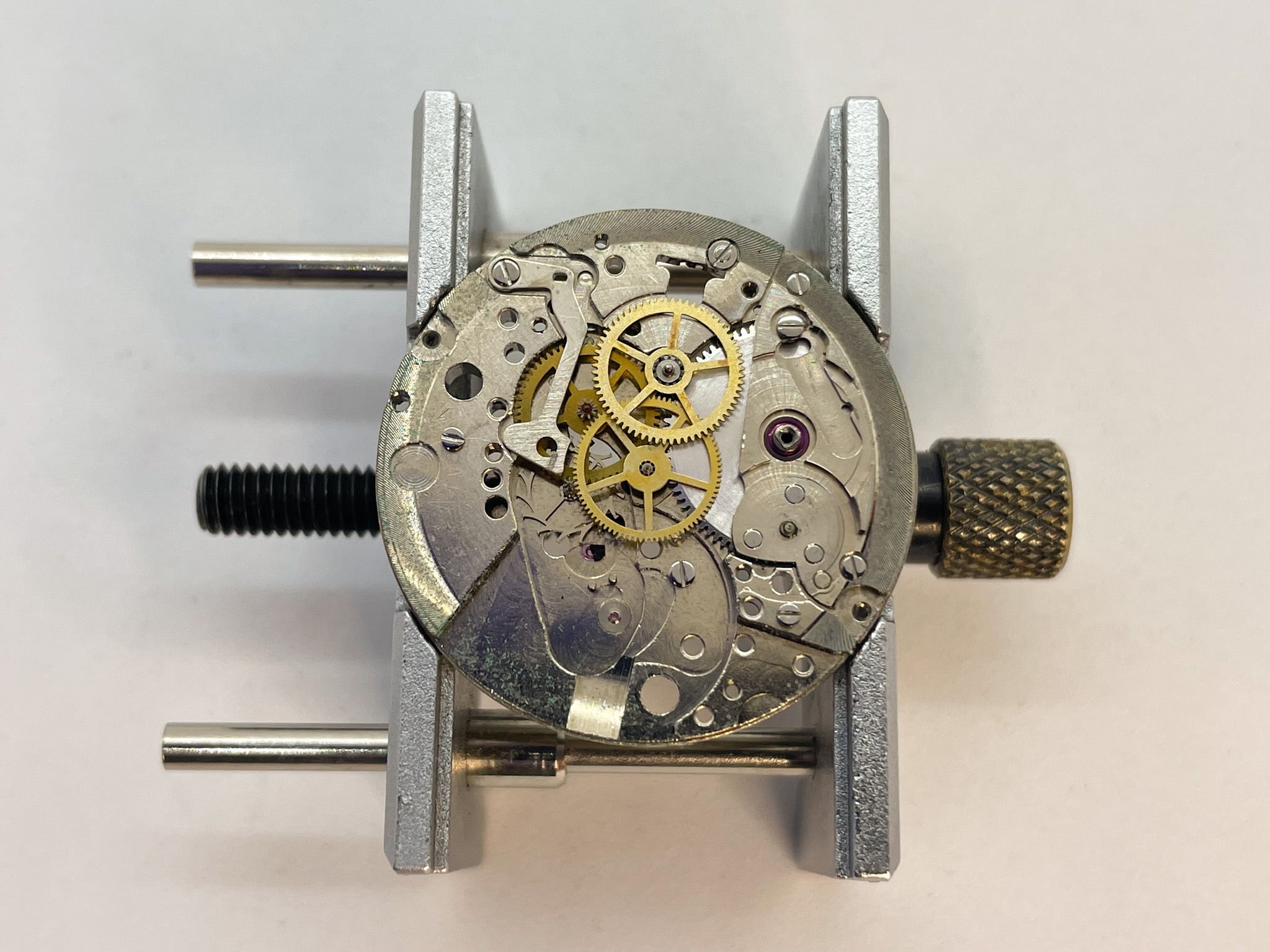

As usual, everything in this watch got a good scrub clean before it was time to reassemble and oil the bearings; however, I made a critical error during disassembly when I decided to open the mainspring barrel.
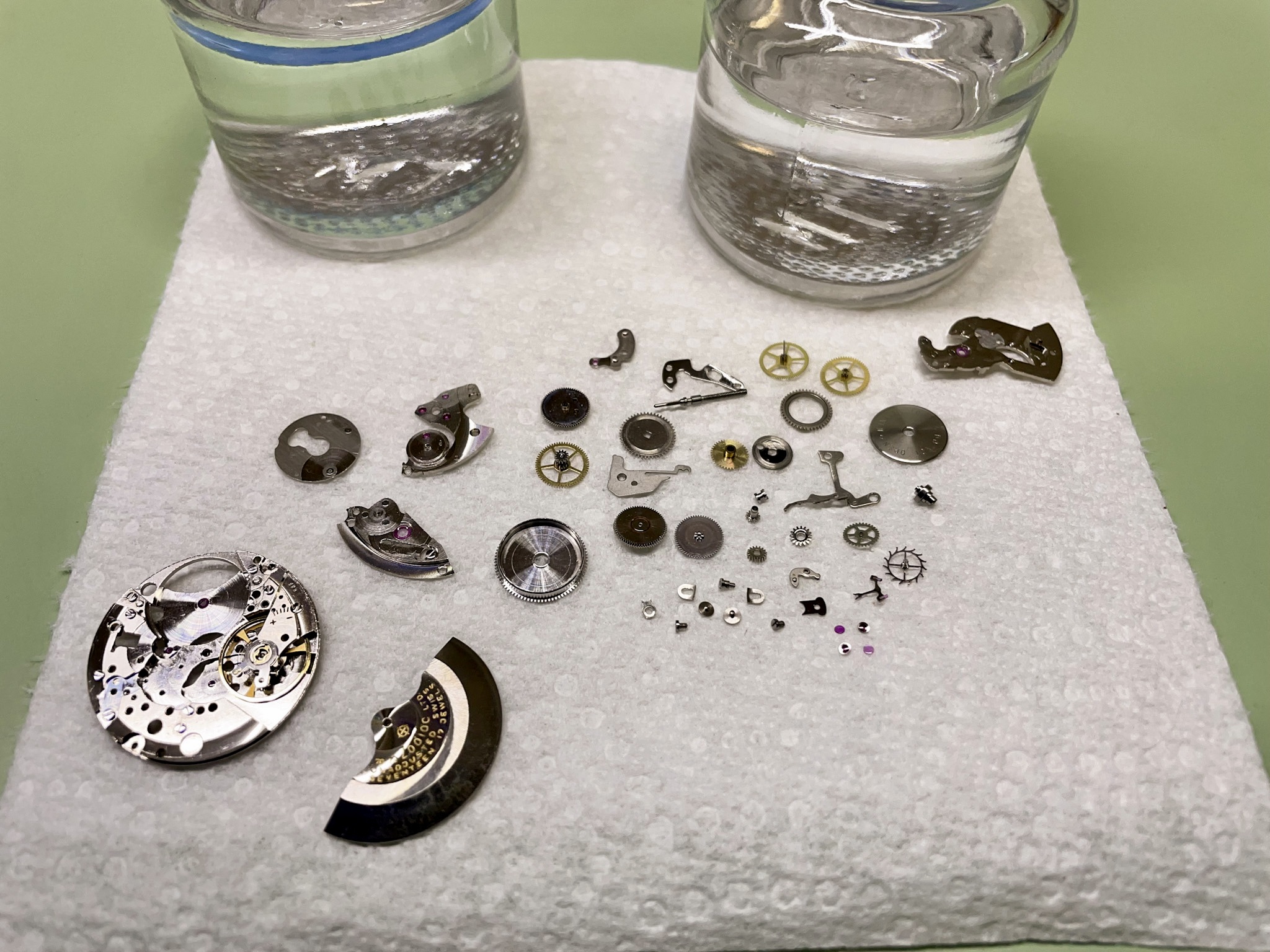
The first tip-off was the lid of the mainspring barrel was printed with the words “Do Not Open”. This is common for high beat watch movements that run at 36,000 beats per hour (ten beats per second) as the mainspring is quite strong and can erupt from the barrel with horrifying speed; you must wear eye protection when opening mainspring barrels.
The Zodiac 70 movement runs at only 21,600 beats per hour (six beats per second) which shouldn’t require such a strong mainspring. I also don’t have any vendors who provide new sealed mainspring barrels (sealed with a new mainspring and new lubricant). You can find New Old Stock barrels out there, but the grease has been in them for fifty years now!
So here is where things went off the rails- I opened the mainspring barrel and removed the mainspring with the intention of cleaning the barrel and applying new grease. Well, it turns out the sealed barrel deforms when opened as the lid is is pinched over the barrel wall in such a way as to permanently seal it- much like a can of soup is sealed. Opening the barrel thus ruins the lid. Ugh.
So at this point the movement repair ground to a halt until I could source a replacement barrel complete. I passed the time servicing the case, bracelet, and other watches in the collection.
The case had a few issues, the main one being the missing bezel. The earliest Zodiac SeaWolves had a plated brass bezel. Later, Zodiac switched to a plated bezel with a bakelite insert. I initially believe this watch would have the non-bakelite bezel but discovered that logic was wrong when I procured one and discovered it didn’t fit the case. I later managed to nab the white bakelite bezel which did fit.
The crown was damaged as the outer metal ring, which serves to retain the rubber o-ring, had come loose.
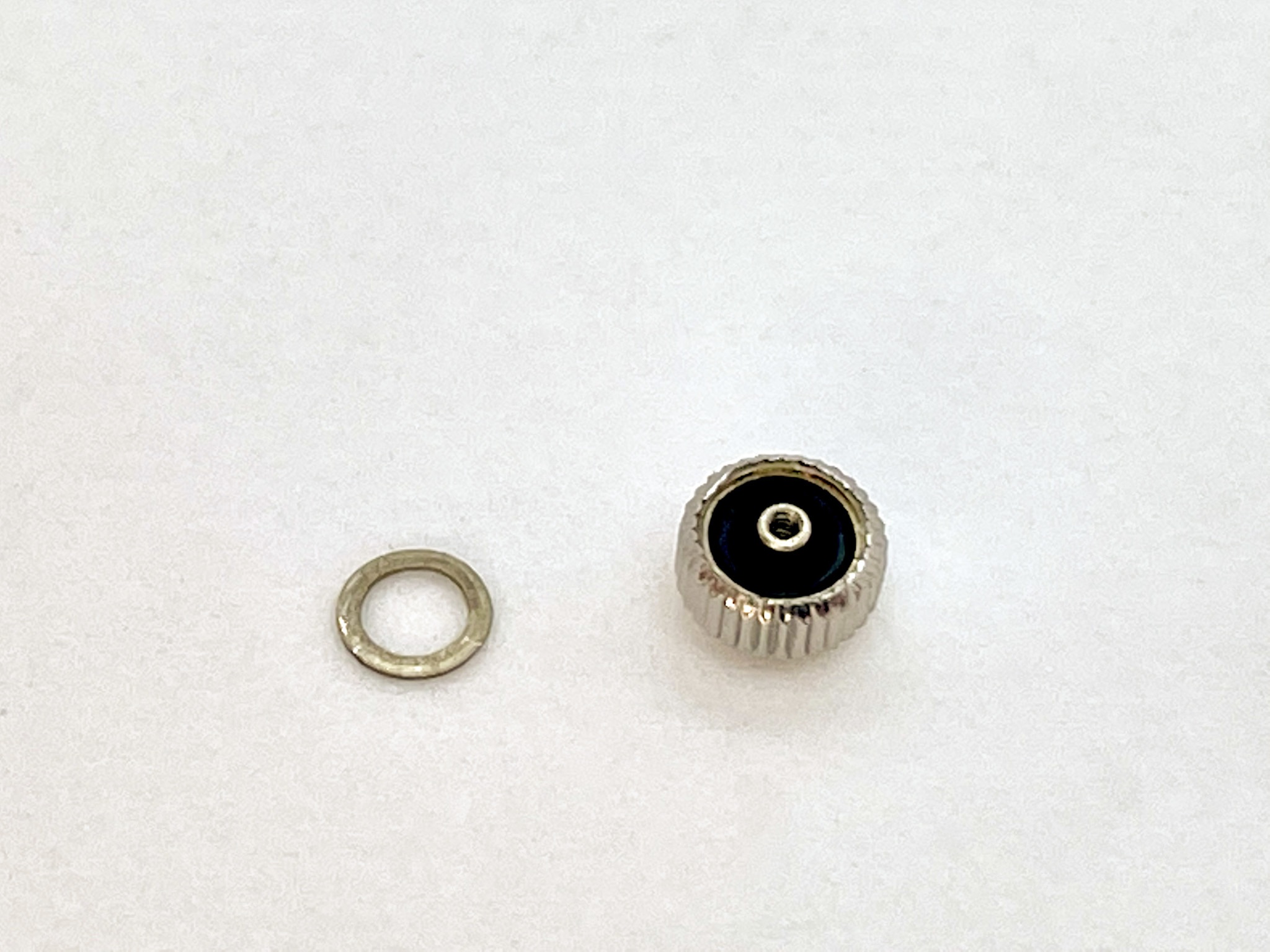
The failure of this retaining ring meant the o-ring wouldn’t be able to do its job, so it needed to be fixed.
I began by installing a new rubber o-ring in the crown and then turned a new retaining ring on the lathe. The new retaining ring was then pressed into the crown by use of the staking set. This is essentially the same corrective action I applied in the earlier Navitimer project.
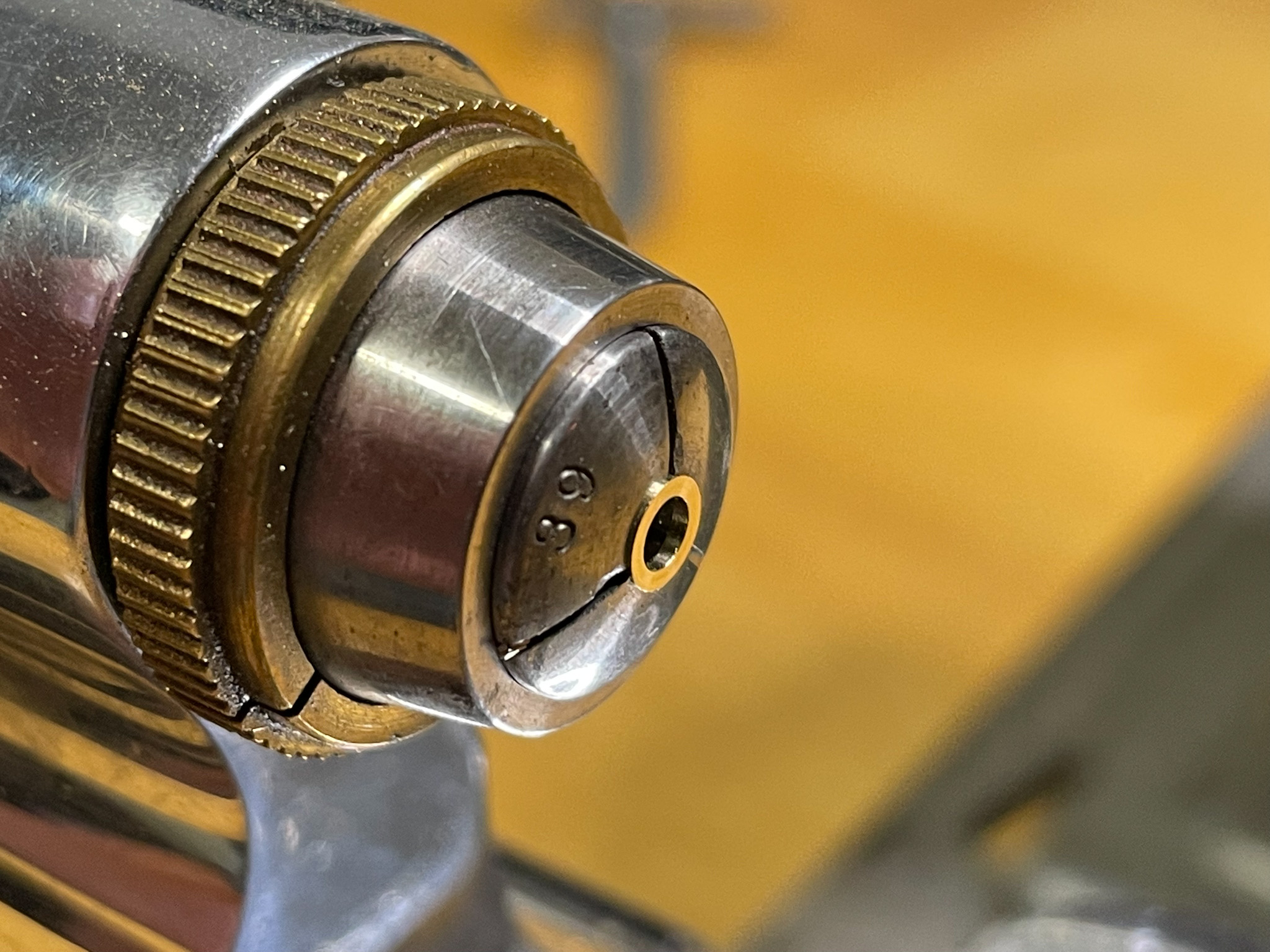

After many weeks of searching, I managed to hunt down a Favre Leuba watch which had the FL1164 movement inside. This movement is identical to the Zodiac 78 movement which is a derivative of the Zodiac 70. The FL 1164 movement beats at 36,000 beats per hour but uses the same mainspring and barrel as the Zodiac 70.
The Favre Leuba watch wasn’t much too look at, but it was what was on the inside that interested me most.


Initially I struggled with how to get the FL1164 movement out of the case and thus decided to break it down still within the case.
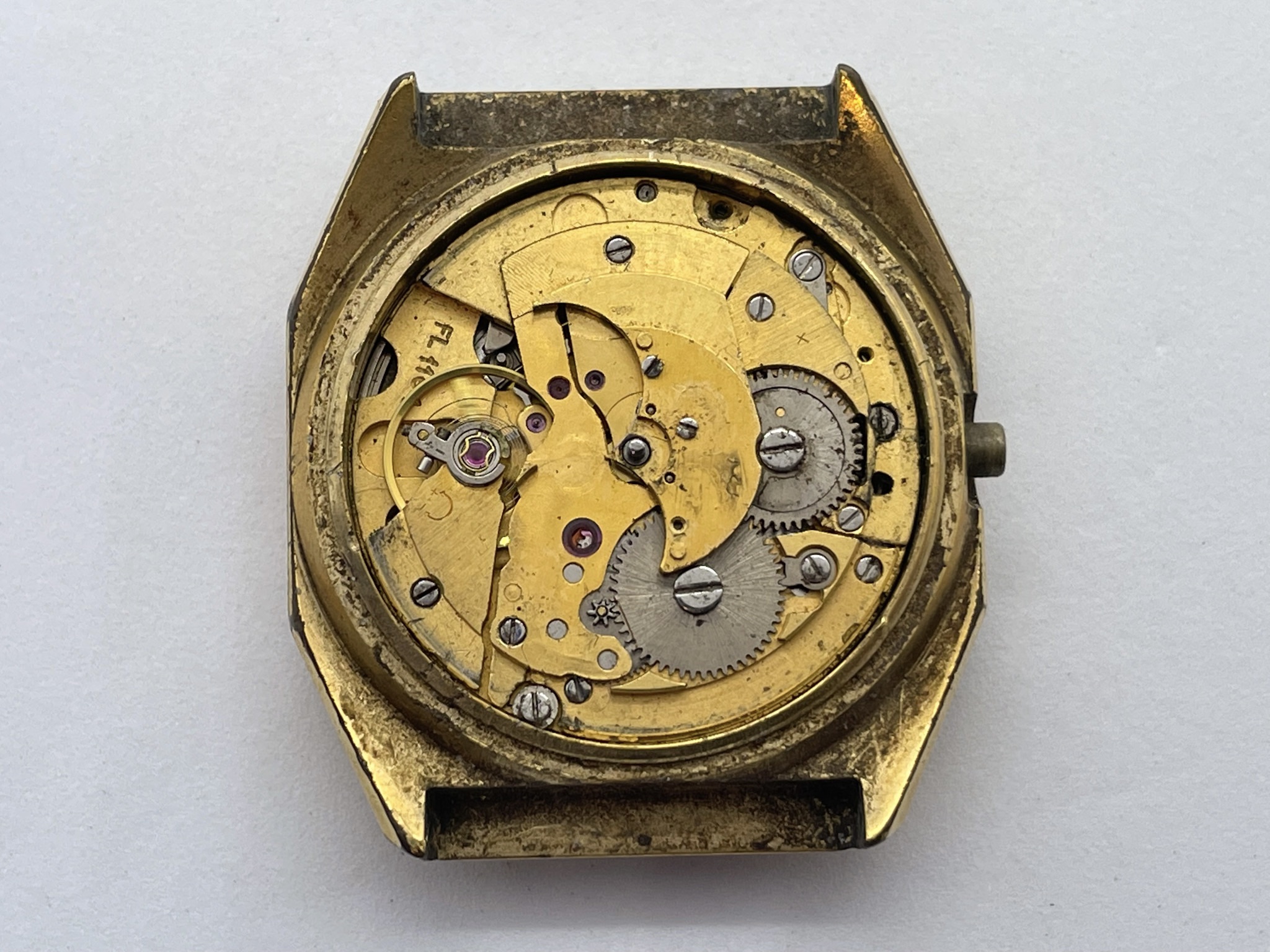

About halfway through the disassembly I confirmed the movement came out the backside of the case and used the crystal press to push it out.


It wasn’t long after that I had my prize.
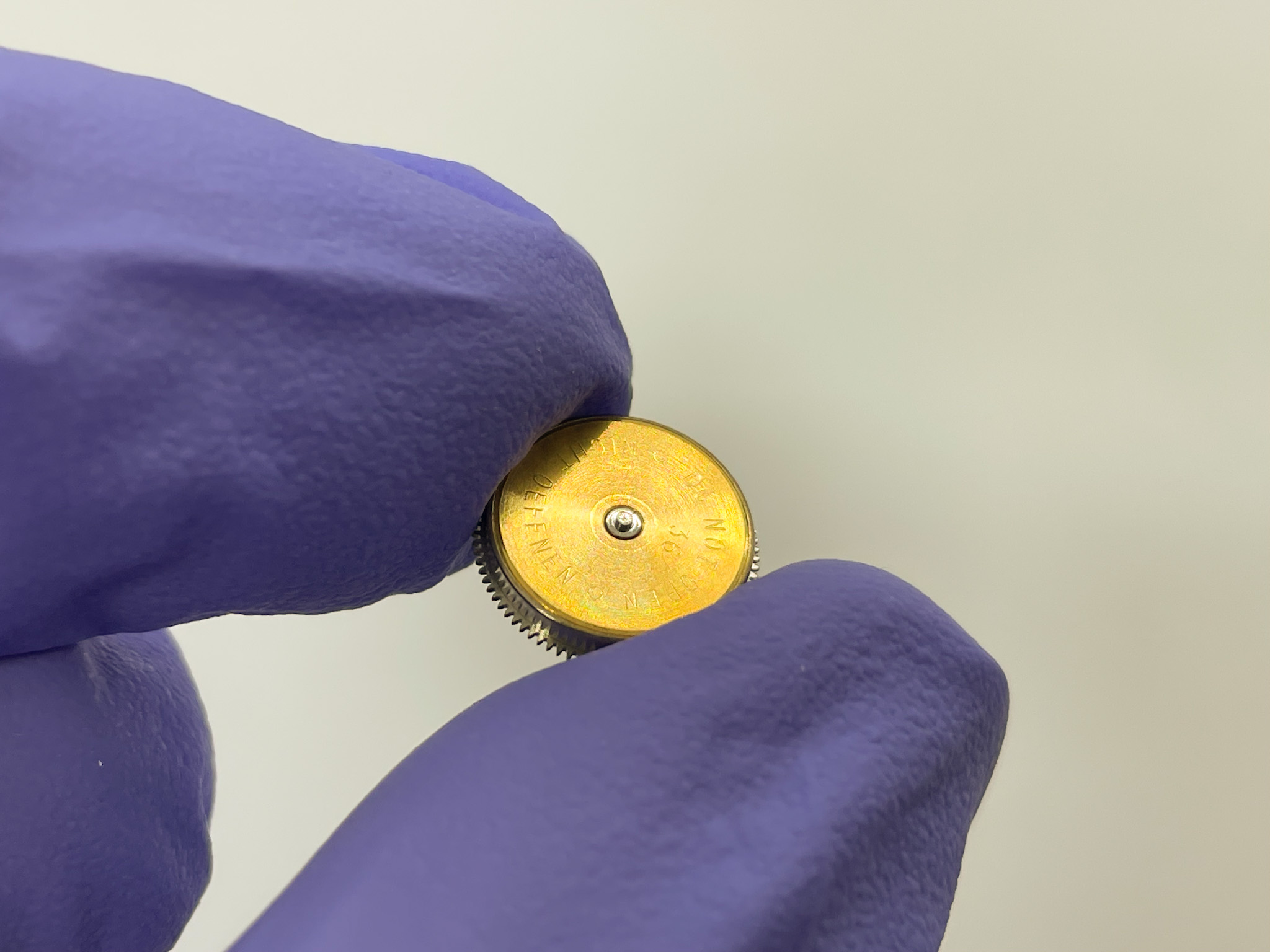
The remains of the FL1164 movement were cleaned and stored away in the event I might require parts later.
With the barrel extracted from the donor, I could continue the assembly of the Zodiac movement. This time I did not consider opening the barrel so the mainspring and grease housed within are quite old but I don’t have a solution to this particular problem at present.

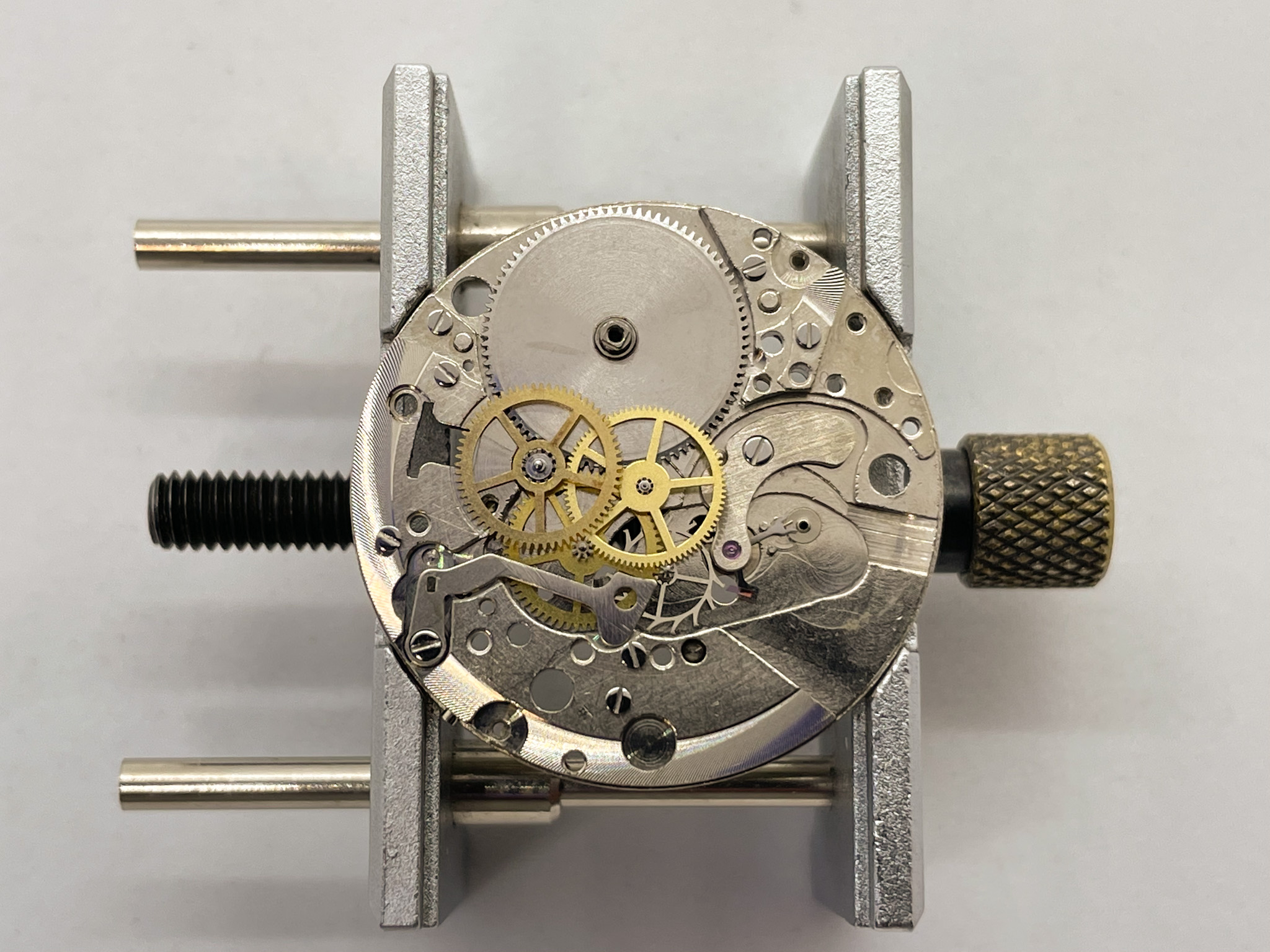
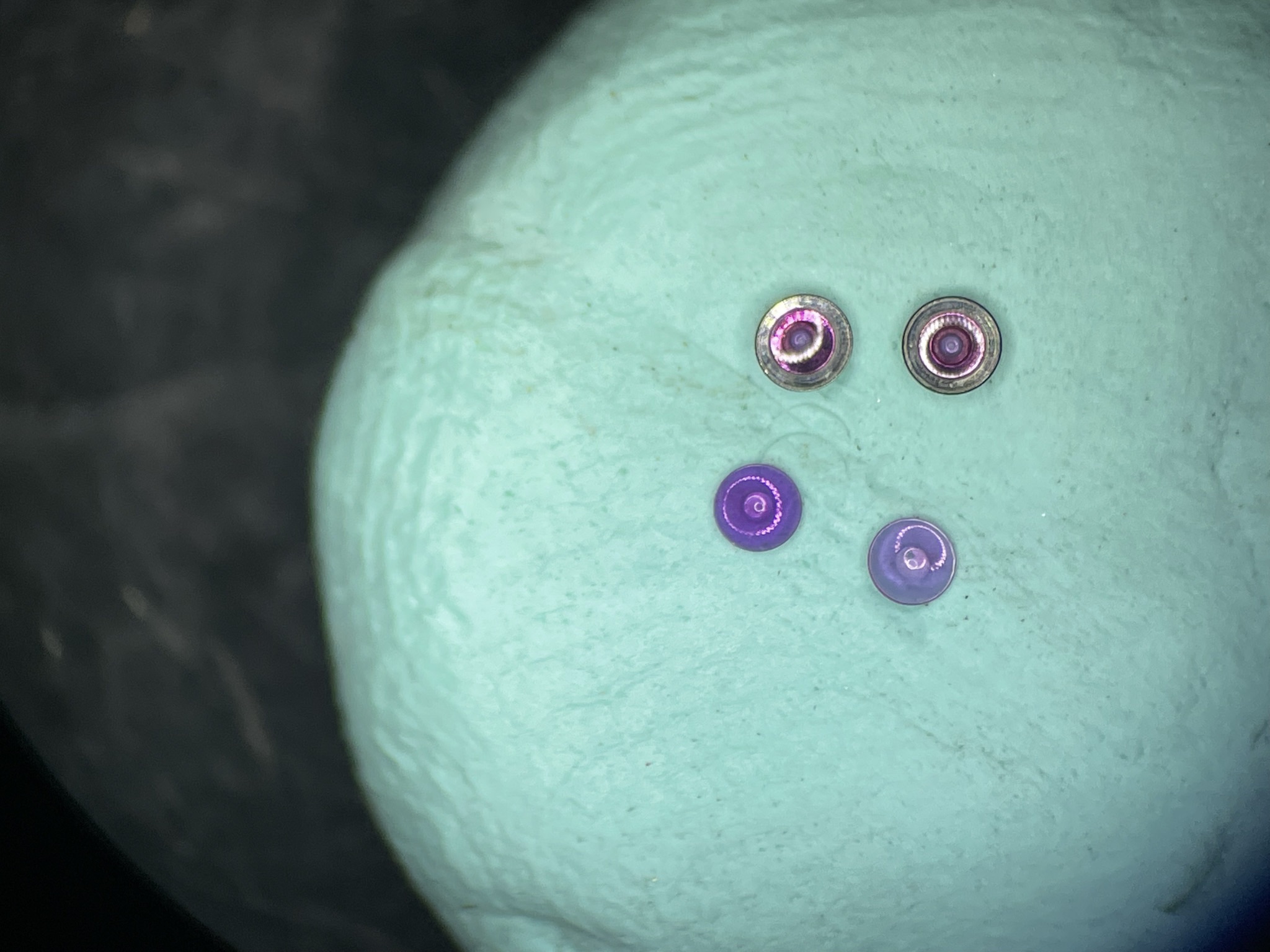

I like this movement and also am impressed with the finishing Zodiac applied. Although it does have a few extra parts they are all laid out well and there are few weak points to find. Unsurprisingly the timegrapher test result speaks for itself.
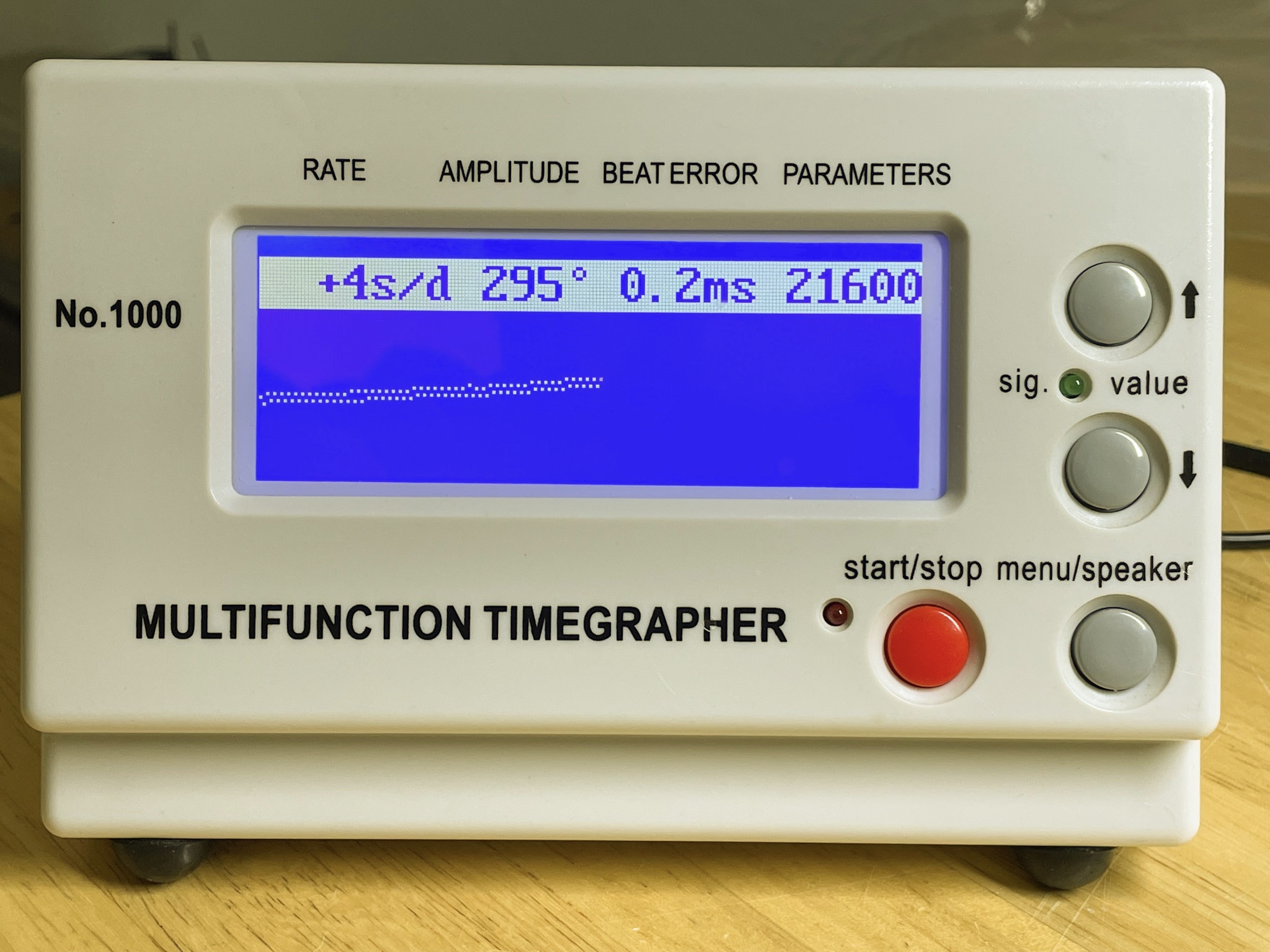

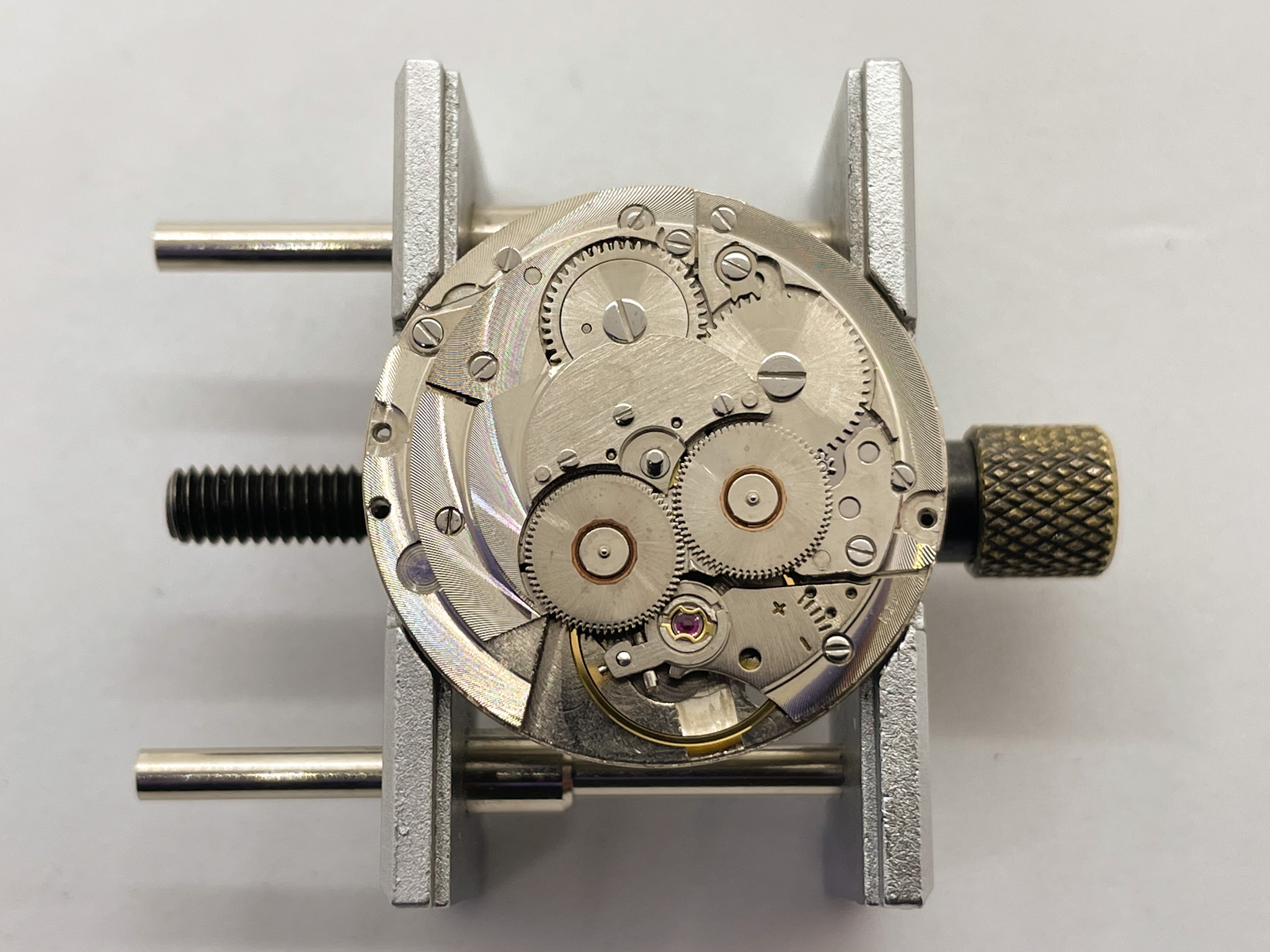
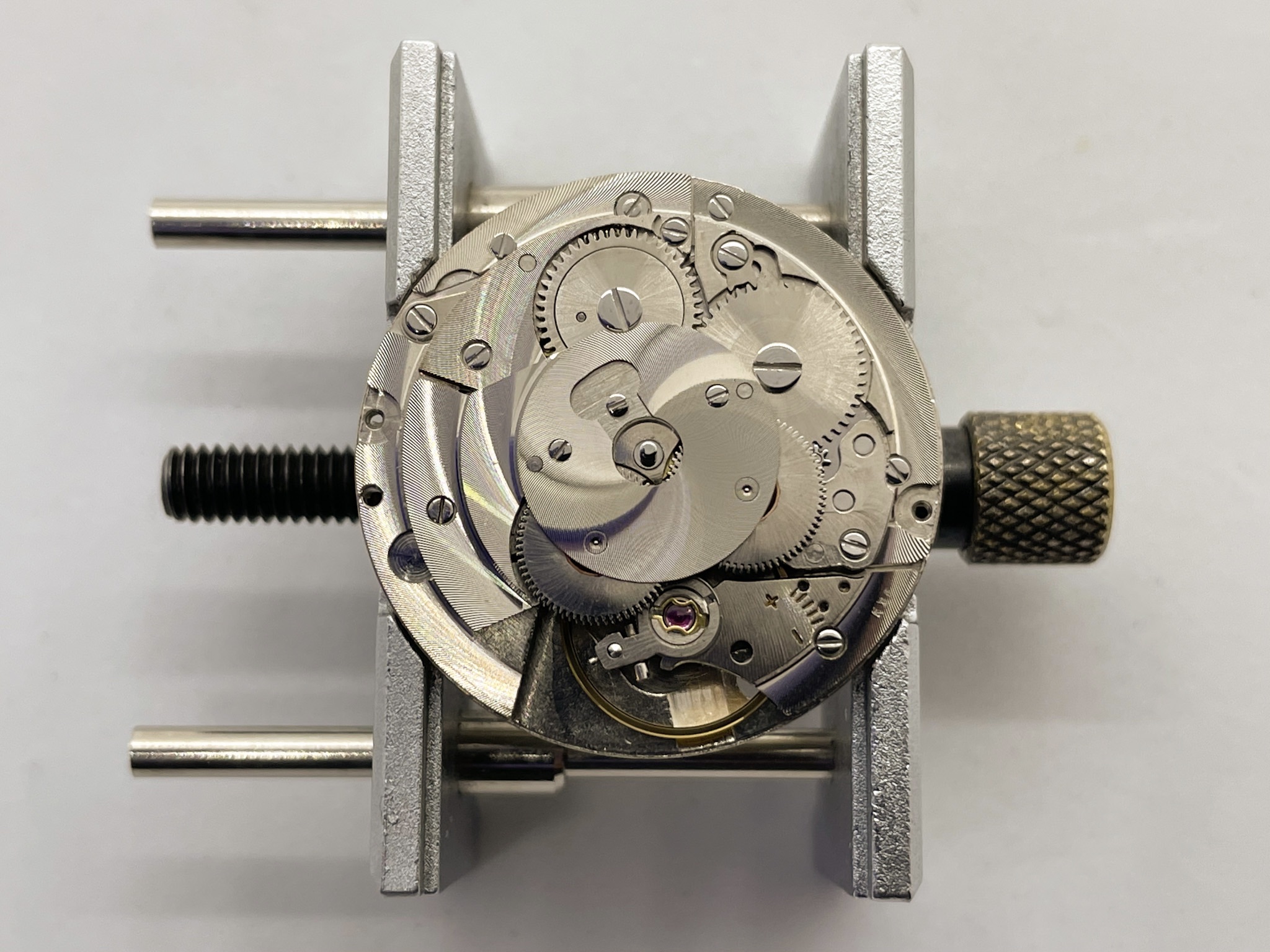
With the movement running well, I reseated the dial and hands. The hands were given an additional coat of varnish prior to installation to hold the tritium paint in place. Other than this, just a light dusting was needed to spruce things up.
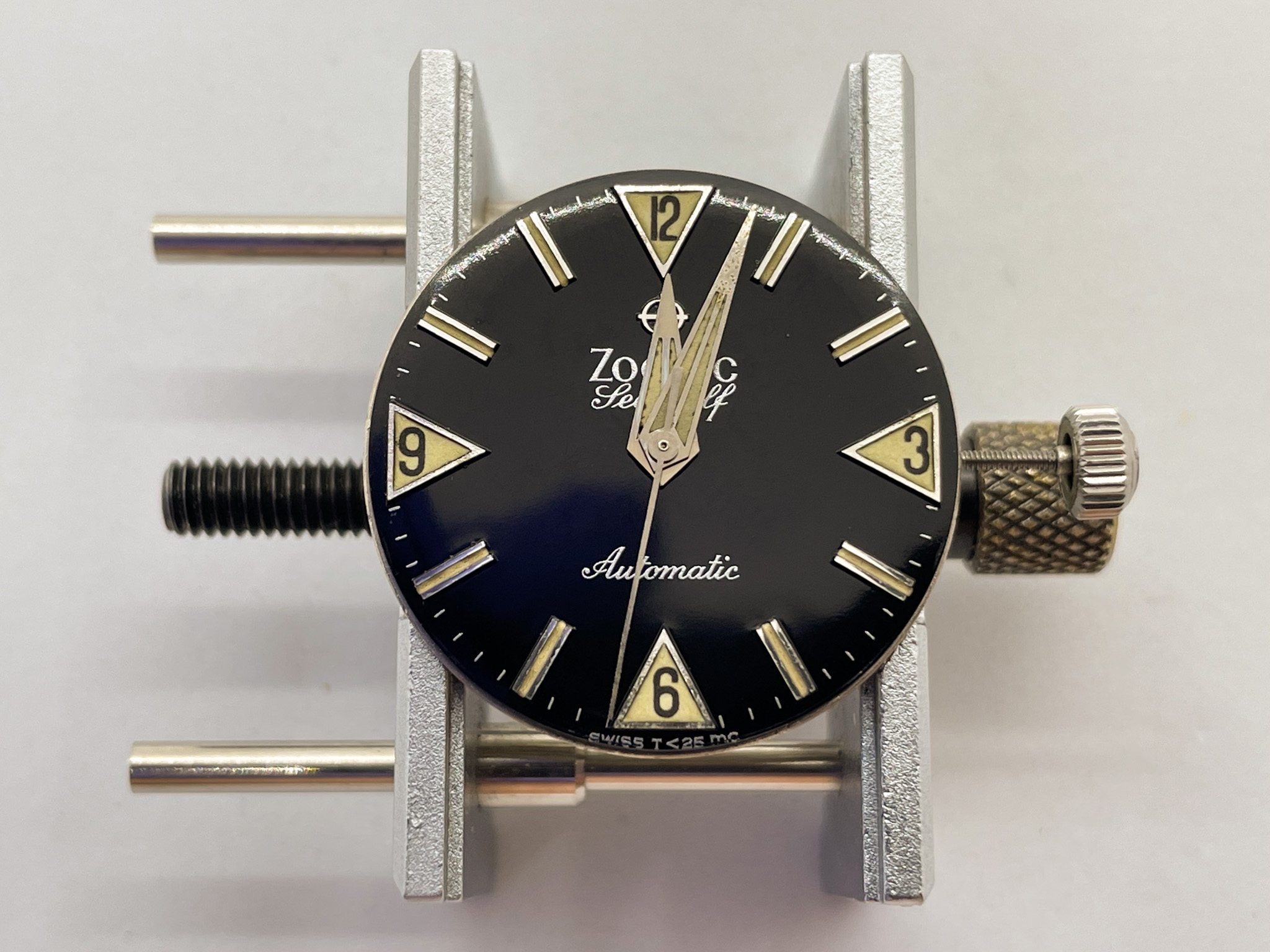
The movement was flipped into the case and secured in place before the autowinding rotor was installed.

A new gasket was found to replace the original caseback gasket which had degenerated into goo. I noted some pitting to the case which could compromise its water resistance, so there will be no washing dishes with this watch on.

A new acrylic crystal was snapped into place along with the bezel that was missing at the start.

The bracelet was painstakingly cleaned and adjusted to fix the end links which were quite loose when I received the watch. The fit now is nice and tight and I noted the bracelet still has three of the removable links so it is quite long and easy to resize if necessary. The clasp was also loose in the beginning but this was easily corrected with a small pair of needle-nosed pliers.
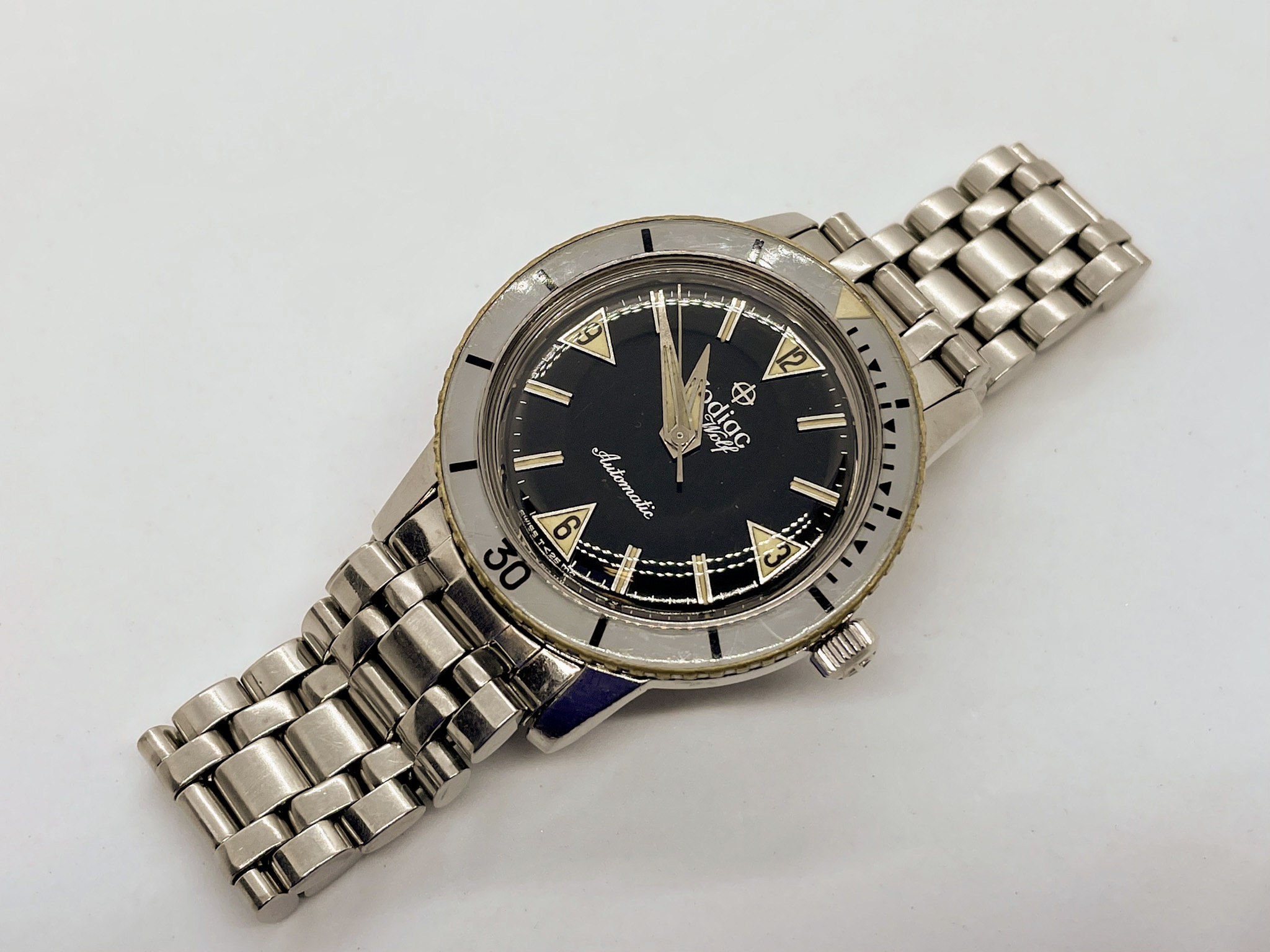
The end product is a beautifully finished dive watch from the mid-sixties. When it comes to Swiss made divers, you will be hard pressed to find a better deal out there, so grab these SeaWolves when you see them. The only drawback is that they are a little small compared to today’s watches. Despite this they are quite striking and fit nicely into just about any collection.
Between this and the two Seiko divers I did for my family, I’m finding I have a bit of an affinity for older dive watches. Sure, I’d like a Submariner, but between Seiko and Zodiac I’m just about set. Stay tuned as I’m sure there will be more dive watch shenanigans.

 Lost Time
I enjoyed this article. I have a vintage Sea Wolf. It runs, the minute hand seems to be lagging.. On the Time grapher,it doesn’t seem too bad. +3s/d 242 degrees, 0.9 ms error 52 degrees 21600 beat rate. I would really enjoy wearing this watch, but I am tired of being late…
Would you be interested in having a look?
Thanks, Bill Boothby, Cambria CA
LikeLike
se hai intenzione di venderlo fammi sapere
LikeLike